COVID-19 VACCINE INEQUITY
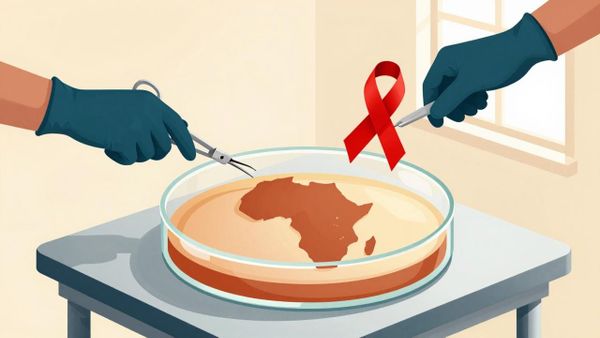
Black Americans died at twice the rate of White Americans, then waited longer for the shot. Wealthy nations bought half the vaccine supply; Africa, importing 99 percent of its doses, got a 470-million-dose shortfall. Science followed the money. The pandemic just drew the line darker.
What the Pandemic Revealed About the Scientific Future of the African World
An Investigative Feature for The Sankofa Question Magazine
A Pandemic That Followed Existing Fault Lines
When the first COVID-19 vaccines emerged from laboratories in late 2020, they constituted one of the fastest scientific achievements in modern history. Researchers developed, tested, and deployed multiple effective vaccines in less than a year, offering hope during a global crisis that had already claimed millions of lives.
That speed, however, described only the final sprint. The research beneath the vaccines stretched back decades. Biochemist Katalin Karikó had pursued mRNA therapeutics for more than thirty years against persistent skepticism and funding rejections before the pandemic ever arrived (Research Outreach, 2024). The pivotal breakthrough — Karikó and immunologist Drew Weissman's discovery that modifying a single nucleoside base made mRNA stable enough for clinical use — dated to the early 2000s, and their landmark 2005 manuscript was initially rejected by major journals as insufficiently novel (Nobel Assembly at Karolinska Institutet, 2023). Commercial development by Moderna and BioNTech, including work on MERS-CoV vaccine candidates, was underway years before SARS-CoV-2 emerged. The 2023 Nobel Prize in Physiology or Medicine recognized precisely this accumulated foundation. The lesson cuts both ways for equity: the world's wealthiest nations did not build those vaccines in a year — they cashed in decades of publicly funded basic science. Nations that had never funded that science could not compress the timeline no matter how urgent the emergency.
Yet the arrival of the vaccines exposed a troubling reality. Scientific innovation alone could not guarantee protection. Access, distribution, infrastructure, and political power determined who received protection first and who waited.
Across the United States, Black communities suffered disproportionately high rates of infection, hospitalisation, and mortality during the pandemic. Age-adjusted data showed that Black people faced elevated risk of dying from COVID-19 compared with White people — during the early pandemic peak, death rates reached approximately 2x higher, though disparities narrowed to approximately 1.6x during subsequent surges (Hill & Artiga, 2022; Kriss et al., 2022; APM Research Lab, 2023). An early Washington Post county-level analysis found that majority-Black counties recorded infection rates three times and death rates nearly six times those of predominantly White counties (Thebault et al., 2020). Public health data revealed that many of the same communities bearing the greatest disease burden received a smaller share of early vaccine doses than expected based on population size and risk factors (Kriss et al., 2022; Holtzman et al., 2024).
It should be noted that racial disparities fluctuated over the pandemic course. While early 2020 data showed majority-Black counties with three times the infection rates and nearly six times the death rates of majority-White counties (Thebault et al., 2020), later analysis found disparities narrowed during the Omicron and post-Omicron periods (Hill & Artiga, 2022; APM Research Lab, 2023). The cumulative age-adjusted data nonetheless confirmed persistent disproportionate mortality throughout the pandemic.
The disparity challenged a central assumption of modern medicine: that life-saving technologies automatically benefit everyone equally. COVID-19 demonstrated that scientific breakthroughs move through existing social systems. Where inequities already exist, new technologies reproduce them.
The American Experiment in Vaccine Equity
Initial explanations often focused on vaccine hesitancy. However, investigations increasingly revealed that access barriers drove disparities more powerfully than individual reluctance.
Many vaccination appointments required reliable internet access, flexible work schedules, transportation, and familiarity with complex online registration systems. Communities with fewer healthcare facilities frequently had fewer vaccination sites. Residents without paid leave often faced difficult choices between protecting their health and maintaining employment.
Hernandez et al. (2022) found that healthcare facilities in counties with higher Black population composition administered COVID-19 vaccines at significantly lower rates during the earliest stages of distribution. In metropolitan counties where Black residents comprised more than 42.2 percent of the population, facilities had 32 percent lower odds of serving as vaccine administration sites compared with facilities in counties below the national average for Black population. Facilities in rural counties and in counties with the highest COVID-19 mortality were also less likely to serve as vaccination sites — but the Black-composition gap was concentrated in metropolitan counties and was not observed in rural or suburban areas (Hernandez et al., 2022).
A Pennsylvania-focused analysis of 385,930 doses shipped through the federal retail pharmacy program during the first seventeen weeks of the rollout found that White people had an average of 81.4 percent more doses shipped to their neighborhoods than Black people did (Holtzman et al., 2024). The disparity occurred despite state regulation of initial site selection, which had disproportionately favored neighborhoods with larger Black populations; pharmacy corporations subsequently shipped far fewer doses to sites in those neighborhoods (Holtzman et al., 2024).
These patterns mirrored longstanding disparities in healthcare access rather than failures of individual decision-making. Public health experts argued that the rollout exposed structural weaknesses that had existed for decades.
The pandemic did not create these inequities. It illuminated them.
Beyond America: A Diaspora-Wide Challenge
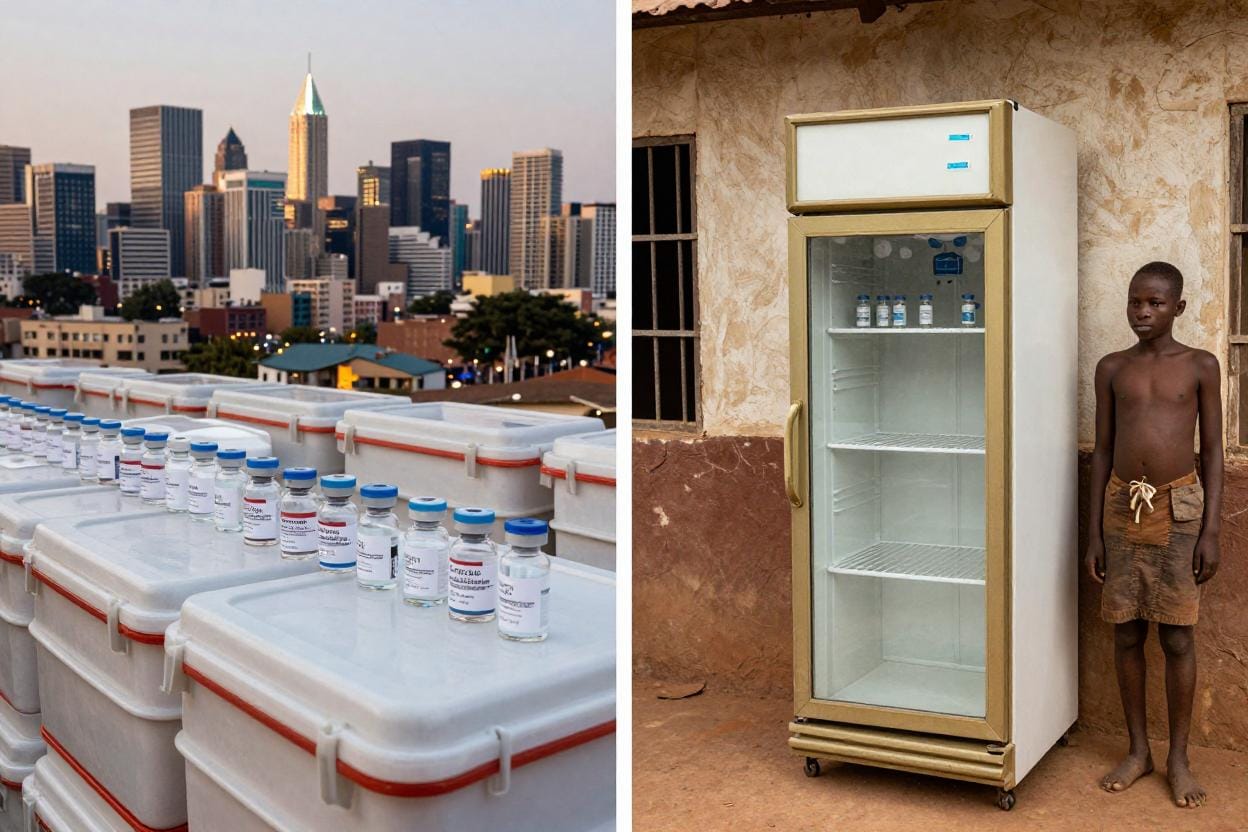
The story grew even more striking when viewed through a global lens. For Black populations throughout the diaspora, vaccine inequity operated on two distinct levels.
The first involved disparities within countries. Communities of African descent often encountered barriers related to healthcare access, economic inequality, and public health infrastructure.
The second involved disparities between countries. While wealthier nations secured vaccine contracts early, many African and Caribbean nations waited months for substantial supplies. High-income countries representing just 14 percent of the world's population purchased approximately 53 percent of the most promising vaccine supplies, including nearly all of Moderna's doses and 90 percent of Pfizer-BioNTech's (BBC News, 2020). By November 2020, high-income countries, along with a few middle-income countries with manufacturing capacity, had purchased approximately 3.8 billion doses with options for another five billion — enough to vaccinate their citizens multiple times over (Duke Global Health Innovation Center, 2020). Meanwhile, Africa faced a 470-million-dose shortfall to reach the WHO target of vaccinating 40 percent of its population by year-end (World Health Organization Regional Office for Africa, 2021).
The Caribbean traced the same curve. Fifteen Caribbean countries were collectively slated to receive just over 2.1 million COVAX doses by May 2021, and countries unable to negotiate bilateral agreements with manufacturers depended almost entirely on that trickle (Caribbean Council, 2021). By June 2021, fewer than 3 million people across the Caribbean were fully vaccinated, and in Trinidad and Tobago not even 1 percent of the population had received a dose (Pan American Health Organization, 2021).
The result was a world divided by access. In parts of Europe and North America, vaccination campaigns expanded rapidly. Meanwhile, many countries across Africa and the Caribbean struggled with delayed deliveries, supply shortages, and dependence on international distribution mechanisms.
For families connected through the diaspora, these inequalities produced ripple effects across continents. Delayed vaccination influenced public health outcomes, educational continuity, employment opportunities, travel, and economic recovery. The pandemic revealed how deeply interconnected health security had become in a globalised world.
The Scientific Dependence Problem
Perhaps the most significant lesson from COVID-19 was not about vaccines themselves. It was about who produces them.
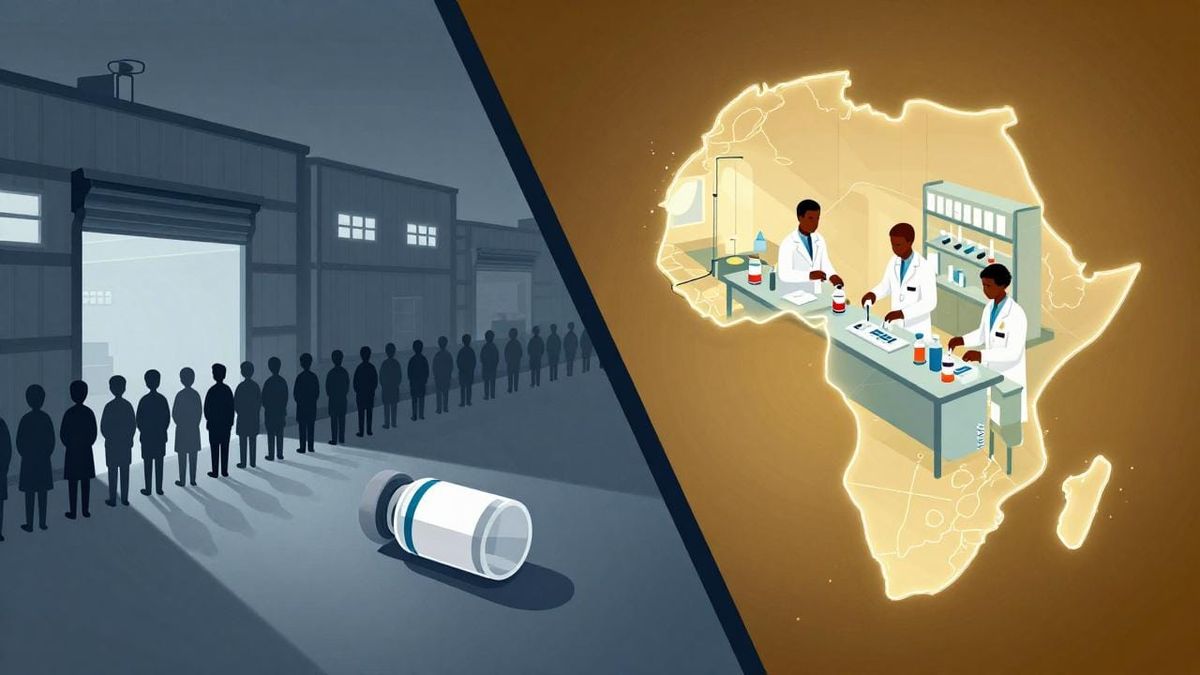
Before the pandemic, Africa produced less than one percent of the vaccines it administered and imported approximately 99 percent of its vaccine supply (Africa Centres for Disease Control and Prevention et al., 2023), while remaining structurally dependent on imported medicines and pharmaceutical inputs (Saied et al., 2022). Manufacturing capacity remained concentrated in a handful of regions outside the continent.
When global demand surged, countries lacking domestic production capabilities found themselves competing for limited supplies. This exposed what researchers described as a scientific dependence problem.
Health security depends not only on access to medicine but also on the ability to develop, manufacture, distribute, and improve medical technologies. Nations that control these capabilities possess greater resilience during emergencies. Nations that depend entirely on external suppliers remain vulnerable to disruptions beyond their control.
COVID-19 transformed this issue from an academic concern into a practical reality. The question facing policymakers sharpened: Can a population achieve long-term health security without substantial scientific and technological capacity of its own?
The Rise of Scientific Sovereignty
The pandemic also accelerated efforts to answer that question.
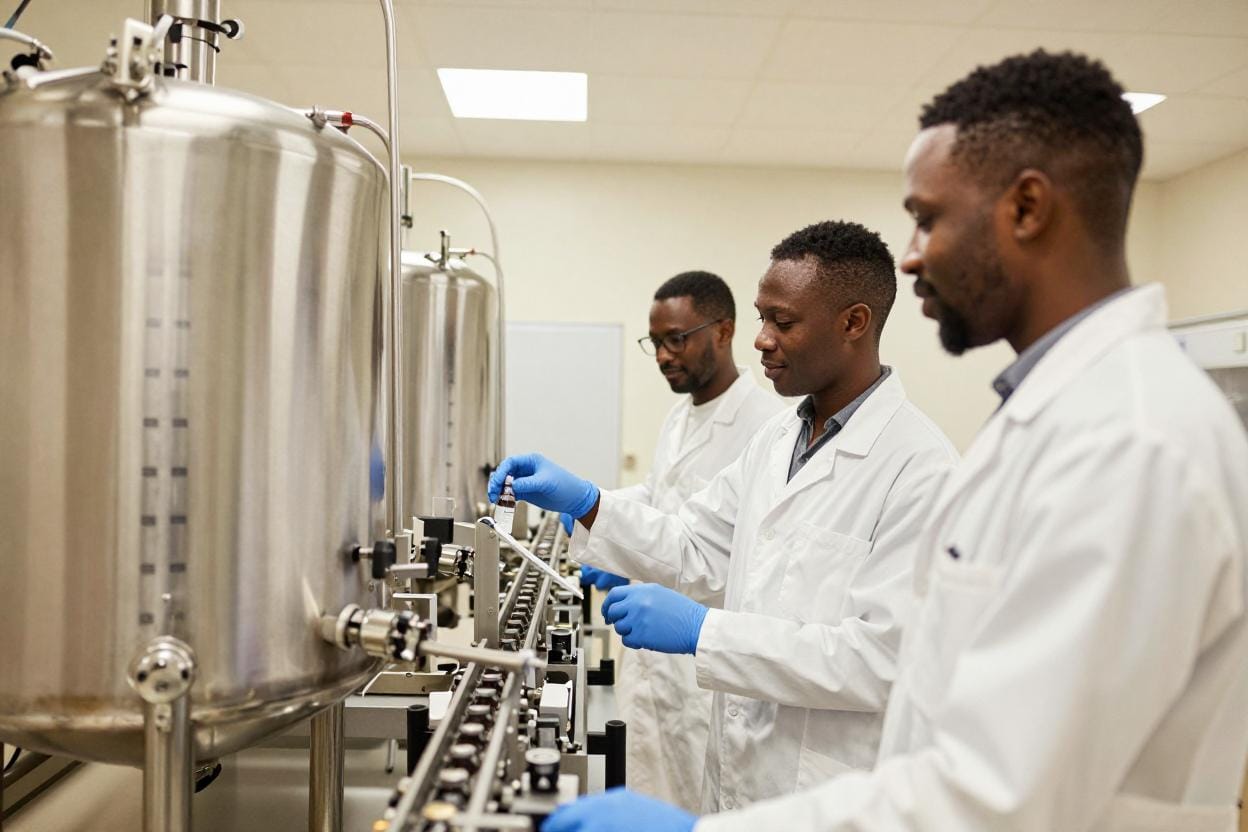
Across Africa, governments, universities, research institutes, and public health organisations launched initiatives to strengthen biotechnology, vaccine manufacturing, genomic surveillance, and disease-response systems. The African Union's Partnerships for African Vaccine Manufacturing (PAVM) set a target of producing at least 60 percent of the continent's vaccine needs locally by 2040 (Africa Centres for Disease Control and Prevention, 2022). South Africa's Aspen Pharmacare filled and finished Johnson & Johnson's single-dose COVID-19 vaccine at its Gqeberha plant under a technology transfer agreement, while the Biovac Institute in Cape Town performed fill-and-finish work on the Pfizer-BioNTech vaccine for distribution in Africa (Daily Maverick, 2021; Reuters, 2021). Africa CDC and the African Vaccine Manufacturing Initiative launched an Industrial Fellowship Programme in vaccine manufacturing designed to more than quadruple the continent's specialised workforce — from an estimated 2,000–3,000 full-time experts today to approximately 12,500 by 2040 (Africa Centres for Disease Control and Prevention, 2025).
These efforts embodied a broader shift in thinking. Rather than viewing health solely as a medical issue, leaders began treating scientific capability as strategic infrastructure — as essential as transportation networks, energy systems, and communications technology. Investment flowed toward laboratories, pharmaceutical production, epidemiological surveillance, and scientific education.
The goal was not isolation from the global scientific community. The goal was resilience.
Building Resilience Against Future Pandemics
COVID-19 demonstrated that protection against disease requires more than vaccines alone. Public health scholars identified several strategies that strengthen resilience against future outbreaks and reduce health inequities.
First, expanding access to primary healthcare improves early detection and treatment of disease. Communities with stronger healthcare infrastructure generally experience better outcomes during public health emergencies.
Second, investment in scientific education and research increases the capacity to respond to emerging threats. Training scientists, healthcare professionals, epidemiologists, and biotechnology specialists strengthens long-term preparedness.
Third, improving public health communication helps communities access reliable information during rapidly evolving crises.
Fourth, strengthening local and regional manufacturing capabilities reduces dependence on fragile international supply chains.
Fifth, addressing social determinants of health — including housing, employment conditions, environmental quality, nutrition, and healthcare access — reduces vulnerabilities that amplify the effects of infectious disease outbreaks.
Collectively, these measures create a more resilient public health ecosystem capable of responding to future crises.
THE SANKOFA QUESTION
What must African nations and the Black diaspora build to ensure that future scientific breakthroughs protect Black communities first, not last?
COVID-19 confirmed what history has repeatedly demonstrated: scientific breakthroughs do not distribute themselves equitably. They move through systems shaped by power, wealth, and historical exclusion. When vaccines arrived in late 2020, Black communities in the United States died at elevated rates yet received fewer early doses, while high-income nations secured enough supply to vaccinate their populations multiple times over and African and Caribbean countries waited (Hill & Artiga, 2022; Kriss et al., 2022; BBC News, 2020). The throughline is identical on every continent: the communities with the least scientific infrastructure queued longest — and Africa entered the pandemic importing approximately 99 percent of its vaccines (Africa Centres for Disease Control and Prevention et al., 2023).
The path forward demands more than demands for equity from institutions designed without Black communities in mind. African nations must build what the pandemic proved they lacked: domestic vaccine manufacturing, pharmaceutical production, surveillance networks, and scientific workforces answerable to African health priorities. The PAVM framework's target of 60 percent local vaccine production by 2040 represents a start, not an endpoint (Africa Centres for Disease Control and Prevention, 2022). Diaspora communities must invest in independent health infrastructure — community-led testing networks, locally funded clinical research, partnerships with African scientific institutions built on mutual equity rather than donor-recipient hierarchies. The Black diaspora cannot afford to wait for the next pandemic to rediscover what every crisis already confirms: survival requires building the scientific capacity to protect ourselves. Not eventually. Now.
References
Africa Centres for Disease Control and Prevention. (2022). Partnerships for African vaccine manufacturing (PAVM) framework for action. African Union. https://africacdc.org/download/partnerships-for-african-vaccine-manufacturing-pavm-framework-for-action/
Africa Centres for Disease Control and Prevention. (2025, April). Industrial fellowship programme in vaccine manufacturing: Call for applications. https://africacdc.org/wp-content/uploads/2025/04/INDUSTRIAL-FELLOWSHIP-PROGRAMME-IN-VACCINE-MANUFACTURING.pdf
Africa Centres for Disease Control and Prevention, Clinton Health Access Initiative, & PATH. (2023). Current and planned vaccine manufacturing in Africa: Results from a joint assessment by Africa CDC, CHAI, and PATH. https://www.clintonhealthaccess.org/report/current-and-planned-vaccine-manufacturing/
APM Research Lab. (2023). Color of Coronavirus: COVID-19 deaths analyzed by race and ethnicity. https://www.apmresearchlab.org/covid/deaths-by-race
BBC News. (2020, December 9). Rich countries hoarding COVID vaccines, says People's Vaccine Alliance. https://www.bbc.com/news/health-55229894
Caribbean Council. (2021). COVAX vaccines start to arrive in Caribbean — supply concerns remain. https://www.caribbean-council.org/covax-vaccines-start-to-arrive-in-caribbean-supply-concerns-remain/
Daily Maverick. (2021, July 21). Pfizer Covid-19 vaccine to be filled and finished in South Africa for exclusive African use. https://www.dailymaverick.co.za/article/2021-07-21-pfizer-covid-19-vaccine-to-be-filled-and-finished-in-south-africa-for-exclusive-african-use/
Duke Global Health Innovation Center. (2020, November 9). Will low-income countries be left behind when COVID-19 vaccines arrive? https://globalhealth.duke.edu/news/will-low-income-countries-be-left-behind-when-covid-19-vaccines-arrive
Hernandez, I., Dickson, S., Tang, S., Gabriel, N., Berenbrok, L. A., & Guo, J. (2022). Disparities in distribution of COVID-19 vaccines across US counties: A geographic information system–based cross-sectional study. PLOS Medicine, 19(7), e1004069. https://doi.org/10.1371/journal.pmed.1004069
Hill, L., & Artiga, S. (2022, August 22). COVID-19 cases and deaths by race/ethnicity: Current data and changes over time. KFF. https://www.kff.org/covid-19/covid-19-cases-and-deaths-by-race-ethnicity-current-data-and-changes-over-time/
Holtzman, G. S., Yang, Y., Louis, P., West, S. G., & Kandaswamy, P. (2024). Racial disparities in Phase 1 COVID-19 vaccine shipments to Neighborhood sites in Pennsylvania by the Federal Retail Pharmacy Program. Scientific Reports, 14, Article 23591. https://doi.org/10.1038/s41598-024-73116-1
Kriss, J. L., Hung, M.-C., Srivastav, A., Black, C. L., Lindley, M. C., Lee, J. T., Koppaka, R., Tsai, Y., Lu, P.-J., Yankey, D., Elam-Evans, L. D., & Singleton, J. A. (2022). COVID-19 vaccination coverage, by race and ethnicity—National Immunization Survey Adult COVID Module, United States, December 2020–November 2021. Morbidity and Mortality Weekly Report, 71(23), 757–763. https://doi.org/10.15585/mmwr.mm7123a2
Nobel Assembly at Karolinska Institutet. (2023, October 2). Press release: The Nobel Prize in Physiology or Medicine 2023. https://www.nobelprize.org/prizes/medicine/2023/press-release/
Pan American Health Organization. (2021, June 9). Controlling COVID-19 in the Americas will take years if slow pace of vaccination continues, PAHO Director says. https://www.paho.org/en/news/9-6-2021-controlling-covid-19-americas-will-take-years-if-slow-pace-vaccination-continues-paho
Reuters. (2021, November 30). S.Africa's Aspen signs deal paving way for J&J COVID vaccine licence. https://www.reuters.com/business/healthcare-pharmaceuticals/safricas-aspen-signs-non-binding-agreement-with-jj-covid-vaccine-license-2021-11-30/
Research Outreach. (2024). Resilience, scepticism, and mRNA: The story of Katalin Karikó. https://researchoutreach.org/articles/resilience-scepticism-mrna-katalin-kariko/
Saied, A. A., Metwally, A. A., Dhawan, M., Choudhary, O. P., & Aiash, H. (2022). Strengthening vaccines and medicines manufacturing capabilities in Africa: Challenges and perspectives. EMBO Molecular Medicine, 14(8), e16287. https://doi.org/10.15252/emmm.202216287
Thebault, R., Tran, A. B., & Williams, V. (2020, April 7). The coronavirus is infecting and killing Black Americans at an alarmingly high rate, post analysis shows. The Washington Post. https://www.washingtonpost.com/nation/2020/04/07/coronavirus-is-infecting-killing-black-americans-an-alarmingly-high-rate-post-analysis-shows/
World Health Organization Regional Office for Africa. (2021, September 16). Africa faces 470 million COVID-19 vaccine shortfall in 2021. https://www.afro.who.int/news/africa-faces-470-million-covid-19-vaccine-shortfall-2021
Keep This Work Going
This investigation was built the slow way: original research, verified sources, every claim checked before it reached you. That work is funded by readers, not advertisers — which is exactly why it can ask hard questions.
The Investigator — $5/month or $50/year. Every weekly article, full newsletter access, the complete archive, and limited audio and video interviews.
The Collector — $9/month or $90/year. Everything above, plus full-length interviews, the complete archive, and the full magazine experience: downloadable EPUB and PDF editions with trivia, games, college references for every discipline covered, and original Sankofa Question Magazine artwork.