BEYOND REPRESENTATION
Who controls Black identity in public imagination? Rap lyrics appeared as evidence in 500+ cases. Under 2% of streaming catalogues feature African diaspora content. The institutions that profited also decided how the story got told.
Arts and Humanities Controversies: Who Controls Black Identity in Public Imagination?
By The S.Q. Magazine Investigative Desk
"Culture does not merely reflect society—it shapes what societies imagine is possible." — bell hooks
Throughout the past three decades, institutions across film, museums, education, music, and digital platforms have exerted control over how Black identity appears in public imagination—and who profits from it. Hollywood rewarded films like The Help (2011) and Green Book (2018) that framed Black experiences through white emotional perspectives, generating controversy for what critics described as "white saviour" narratives that reassured mainstream audiences rather than confronting systemic racism (hooks, 1992).
Museums across Europe and North America displayed African artefacts looted during colonial expansion—most notably the estimated 10,000 Benin Bronzes stolen during the 1897 British sacking of Benin City—while controlling the interpretive framework through which visitors encountered African civilisation (UNESCO, 2021). Prosecutors used rap lyrics as criminal evidence in more than 500 cases, singling out a Black art form for treatment that other genres never faced (Nielson & Dennis, 2019).
Corporations adopted Black Lives Matter imagery in advertising while failing to address internal inequality, and digital platforms amplified white creators adopting Black cultural forms while algorithmically suppressing Black creators producing identical content (Noble, 2018; Wired Staff, 2025). Educational systems became battlegrounds over whose histories deserved national recognition, with opponents of African American Studies curricula arguing that confronting slavery and systemic racism promotes ideological division (Coates, 2015; Alexander, 2020).
Black communities responded through multiple strategies of reclamation. Artists transformed streets into political memorials after the 2020 murder of George Floyd, using murals, poetry, and performance to preserve collective memory outside institutional archives (Taylor, 2016). Incarcerated artists built informal cultural institutions behind prison walls, demonstrating that creative resistance persists even under extreme constraint (Fleetwood, 2020).
Afrofuturist writers and filmmakers—Octavia Butler, Ryan Coogler's Black Panther (2018)—rejected trauma as the sole narrative frame for Black identity, constructing visions of technologically advanced and politically sovereign Black futures. Scholars including bell hooks (1992), Christina Sharpe (2016), and Claudia Rankine (2014) built intellectual frameworks that named what these institutions were doing and provided tools for resistance.
And communities invested in independent infrastructure—Black-owned media, independent publishing houses, community archives, and cultural institutions like the Studio Museum in Harlem—recognising that lasting influence requires controlling not just representation but the systems of preservation, interpretation, and distribution that give representation durability.
SIDEBAR: BY THE NUMBERS
Metric |
Value |
Source |
|---|---|---|
Rap lyrics used as courtroom evidence |
500+ cases |
Nielson & Dennis, 2019 |
Benin Bronzes looted (1897) |
10,000 artefacts |
UNESCO, 2021 |
African diaspora content on major streaming platforms |
<2% of catalogues |
Smithsonian, 2022 |
Black directors at major studios |
<5% (2023) |
Hollywood Reporter, 2023 |
University courses on African American Studies |
400+ |
Brown, 2024 |
Digital platform algorithms suppressing Black content |
Documented racial gaps |
Noble, 2018 |
Film, Memory, and the White Gaze
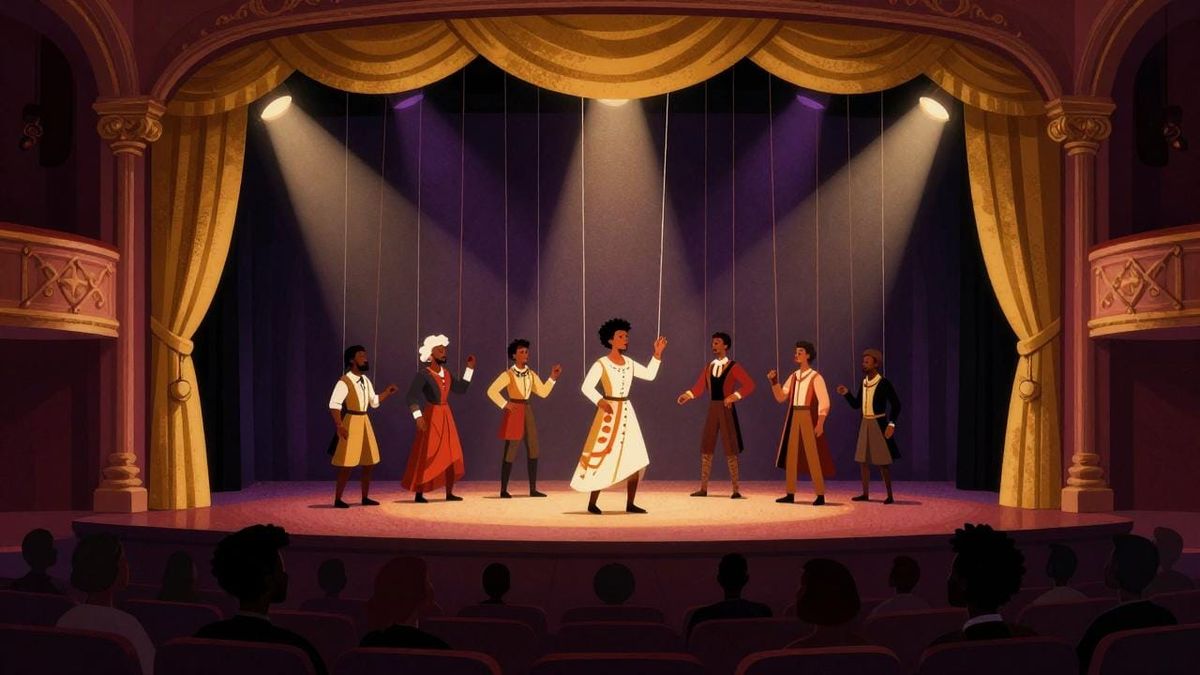
Hollywood represents one of the most powerful cultural engines shaping global perceptions of race. Film narratives reach millions across borders, embedding interpretations of Black life within popular consciousness. But who decides which stories get told—and from whose perspective?
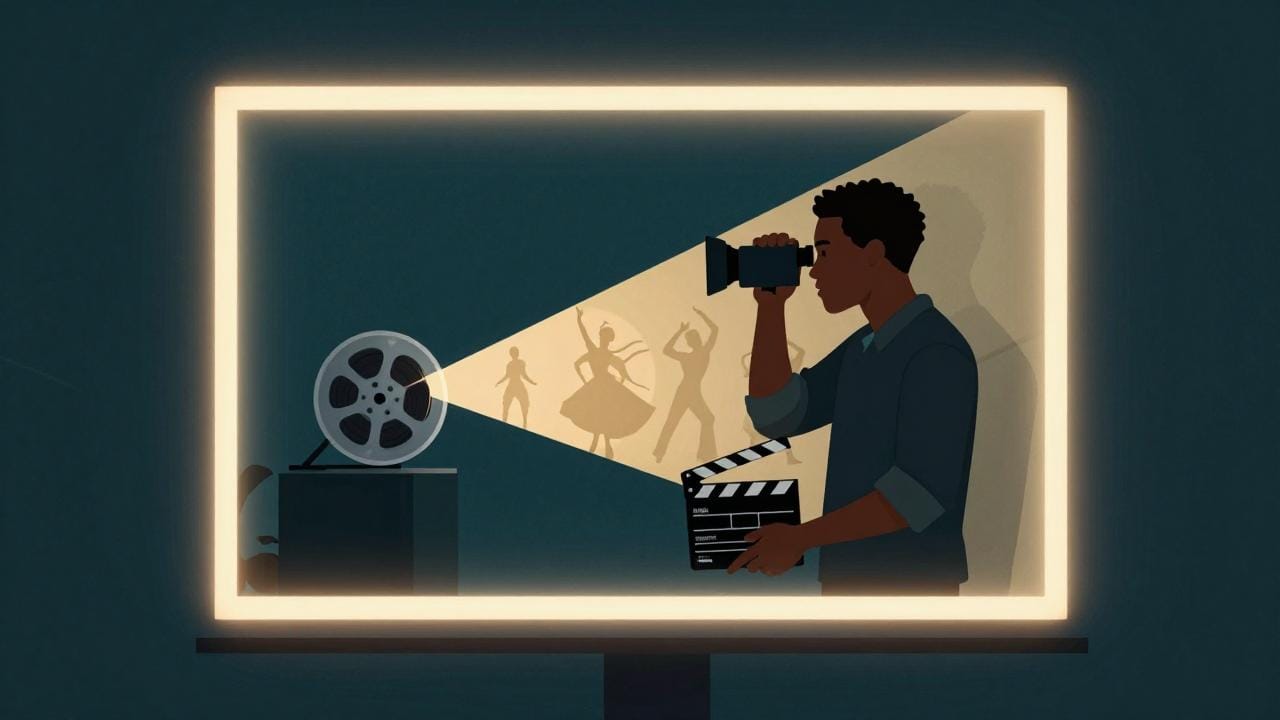
During the Obama administration, awards season celebrated films portraying Black suffering through white rescuers. The Help earned four Academy Awards including Best Picture nomination (2011), generating controversy when its Black maids existed primarily as vehicles for white protagonist emotional development (hooks, 1992). 12 Years a Slave (2013) garnered critical acclaim yet sparked debates about whether depicting brutal slave violence served artistic necessity or audience voyeurism. Moonlight (2016) and Get Out (2017) offered counterexamples: films directed by Black creatives that centred Black interiority without mediation. Yet these exceptions proved rules rather than overturned them. Industry executives continued greenlighting narratives requiring white validation for Black suffering.
Green Book (2018) exemplified persistent patterns. Despite winning Best Picture, the film attracted criticism for framing racial progress as occurring when white people decided to become less racist. Historians noted parallels to The Help, arguing that such films reassured audiences that racism belonged to the past rather than acknowledging contemporary structural inequities (McIntosh, 1989). Black consultants hired on set found their recommendations routinely overridden during production decisions.
Black Panther (2018) marked a turning point, becoming the first superhero film directed by a Black filmmaker (Ryan Coogler) to achieve mainstream blockbuster status. The film's success demonstrated market viability for Black-directed genre cinema. But even its triumph revealed industry resistance: Marvel executives reportedly resisted casting Black directors for sequels despite franchise profitability. When Black Panther: Wakanda Forever arrived in 2022, leadership remained white-dominated.
Independent cinema offers different possibilities. Barry Jenkins' Moonlight (2016), Ava DuVernay's Selma (2014), and Dee Rees' Mudbound (2017) proved that Black perspectives could achieve critical recognition without compromising artistic vision. Streaming platforms initially promised expanded distribution. Netflix committed $100 million annually toward diverse content (2021). Yet critics noted that algorithmic curation often buried these films beneath mainstream titles, limiting actual viewership despite availability (Noble, 2018).
Museums and Colonial Loot
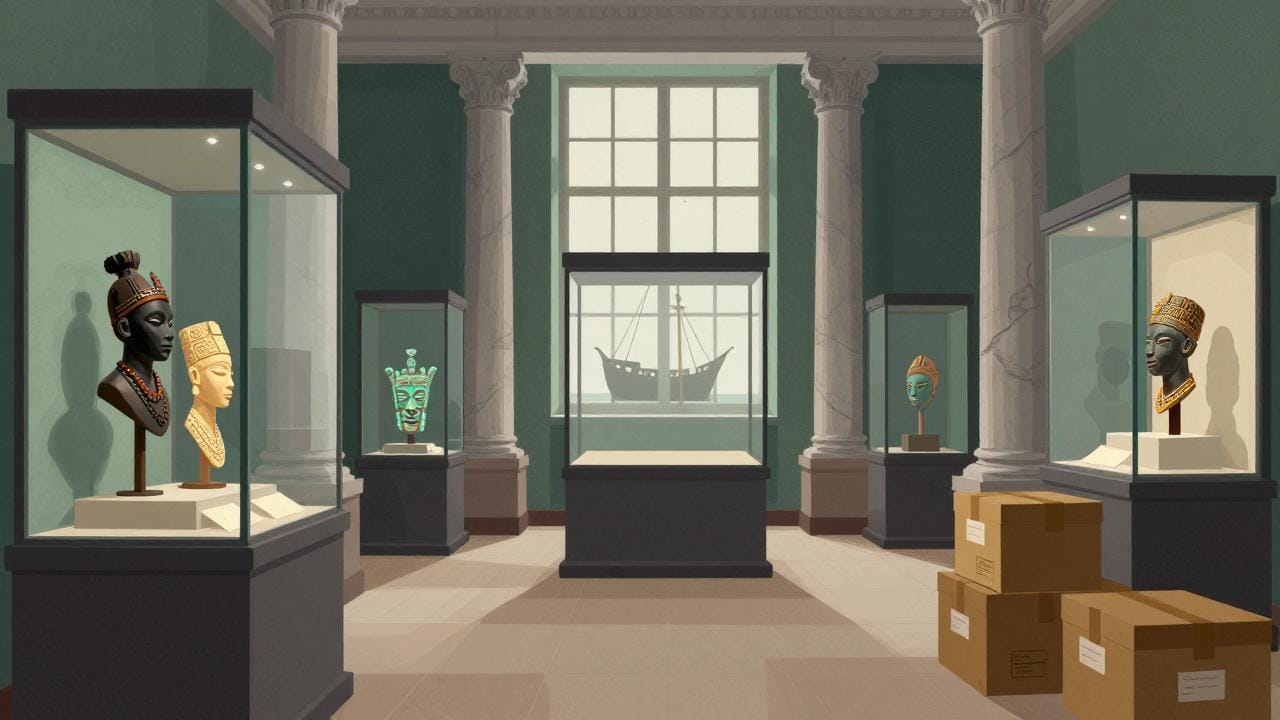
Museums represent another arena where historical narratives encounter contestation. European and American institutions hold vast collections of African artefacts acquired through colonial violence, conquest, or coercive transactions. These objects carry histories incompatible with standard museum placettes describing them as "ethnographic specimens."
The Benin Bronzes stand as perhaps the most famous example. In February 1897, British forces sacked Benin City (present-day Nigeria), burning palaces, killing an estimated 2,000 defenders, and looting approximately 10,000 bronze plaques, ivory masks, and ceremonial objects (UNESCO, 2021). Britain distributed these artefacts to museums, collectors, and private owners across Europe and North America. Today they reside in institutions including the British Museum, Berlin's Humboldt Forum, the Metropolitan Museum of Art, and the Peabody Essex Museum.
Nigeria has demanded repatriation since independence in 1960. The Benin Dialogue Group formed in 2006 facilitated negotiations. In 2022, the British Museum announced it would lend some Bronzes to Nigerian institutions—but ownership transfer remains unresolved. Germany returned approximately 1,000 Bronzes between 2022 and 2023, marking the most significant repatriation to date. Scotland's Aberdeen Museum returned two Bronzes in 2023. Yet hundreds remain dispersed globally.
Critics argue that repatriation debates reveal fundamental questions about knowledge production. Western museums describe themselves as universal repositories serving humanity. But whose humanity receives priority? Whose interpretive authority determines how objects get explained? When European curators describe Benin Bronzes as "craft objects," Nigerian historians know these were sacred regalia documenting kingship rituals, diplomatic exchanges, and spiritual cosmologies. The same objects mean fundamentally different things depending on whose narration prevails.
Similar controversies surround the Elgin Marbles (Greece), Maori ancestral remains (New Zealand), Aboriginal sacred objects (Australia), and Native American burial goods (United States). All involve colonial extraction followed by institutional retention. Repatriation processes move slowly. Institutions cite legal barriers, preservation capacity concerns, and visitor interest statistics. Critics respond that preservation excuses often mask reluctance to relinquish power over cultural heritage.
Music, Criminalisation, and Selective Prosecution

Prosecutors increasingly use artistic expression as criminal evidence—particularly against Black artists performing rap music. Nielson and Dennis (2019) documented over 500 criminal cases where rap lyrics appeared as courtroom exhibits. Courts admitted verses as admissions of guilt, threats against witnesses, or demonstrations of gang affiliation.
This practice raises constitutional questions. Lyrics function as fictional storytelling employing genre conventions including hyperbole, metaphor, and character invention. Yet courts routinely interpret them as literal confessions. Rapper Young Thug faced life imprisonment based partly on lyrics prosecutors claimed referenced alleged criminal activity. Judge Andrew Winstead permitted the prosecution to introduce 150 pages of Thug's song lyrics during trial proceedings. Similar tactics occurred against Juvenile, Chief Keef, and multiple members of YSL Records.
No comparable precedent exists for other genres. Country songs referencing murder, rock anthems celebrating rebellion, or gospel lyrics invoking divine wrath never face equivalent scrutiny. Why rap specifically? Legal scholars argue that courts inherit racial biases portraying Black artistic expression as inherently dangerous. Rap originates in Black communities; judges and juries disproportionately consist of white individuals unfamiliar with genre conventions. This combination produces interpretive frameworks treating artistic fiction as evidentiary fact (Nielson & Dennis, 2019).
Music labels compound the problem. Executives market violent content as authentic selling points. Then they distance themselves when lyrics face legal consequences. Double standards enable profit maximisation while avoiding liability. Artists bear legal risks while corporations capture revenue.
Advertising and Extractive Solidarity
Corporate advertising adopts Black Liberation imagery while maintaining exclusionary practices. Brands released Black Lives Matter campaigns following police killings of George Floyd, Breonna Taylor, and Ahmaud Arbery. Nike featured Colin Kaepernick. Target sold Pride merchandise alongside BLM slogans. Ben & Jerry's endorsed racial justice statements.
But internal employment data tells different stories. Nike employed fewer than 6% Black senior executives (2021). Target's corporate headquarters remained overwhelmingly white. Ben & Jerry's parent company Unilever maintained majority-white leadership while marketing progressive values. Corporate diversity reports revealed hiring stagnation despite public commitments.
Activists coined the term "performative allyship" describing these contradictions. Consumers grew suspicious when brands posted solidarity messages then refused to share salary transparency data, promote Black employees, or support reparations initiatives. The pattern repeated across industries: social media posts celebrating Black achievement followed by boardrooms dominated by whiteness.
Some companies attempted substantive responses. Salesforce pledged $20 million toward racial justice organisations. Bank of America allocated $1 billion toward minority business lending. But critics noted that such announcements received publicity while structural reforms lagged. Board composition remained unchanged. Promotion pipelines stayed intact. Supplier diversity programs existed on paper but rarely influenced actual procurement decisions.
Education as Battlefield
Curriculum debates intensified across the United States. Florida, Texas, Tennessee, and Oklahoma passed laws restricting classroom discussions of systemic racism, Critical Race Theory, and historical slavery narratives. Opponents argued these topics promoted division and shame among students. Proponents contended that sanitised history erases essential truth about American society.
The AP African American Studies course launched in 2022 faced immediate backlash. Florida denied course approval, claiming syllabus content violated state law. Critics of the restriction argued that removing specific authors, movements, and historical periods undermined educational quality. Supporters claimed existing materials required revision.
Meanwhile, university programmes flourished. More than 400 universities now offer African American Studies, Black Studies, or Africana Studies programmes (Brown, 2024). Howard University maintains the oldest PhD programme in African Studies in the United States. Spelman College pioneered Black women's humanities education. These institutions produce scholars, educators, and cultural producers trained to analyse power relations critically.
Yet funding disparities persist. Black Studies departments operate on shoestring budgets compared to business schools, engineering programmes, and medical centres. Faculty lines remain limited. Graduate stipends fall below campus averages. Tenure opportunities concentrate elsewhere. The contradiction reflects broader patterns: humanities receive lip service as culturally valuable but receive minimal resource allocation.
Digital Platforms and Algorithmic Suppression
Social media platforms claim neutrality regarding content moderation. Algorithms determine visibility based on engagement metrics supposedly reflecting user choice. Reality proves more complicated.

Multiple studies document systematic suppression of Black creators producing identical content to white counterparts. When both post dance videos, comedic sketches, or commentary on trending topics, algorithmic distribution favours white accounts disproportionately (Noble, 2018). Black creators report shadowbanning—reduced visibility without notification or recourse. Platform executives deny intentional discrimination, attributing disparities to user preference patterns. But research controlling for follower counts, posting frequency, and content type still finds significant racial gaps (Noble, 2018; Wired Staff, 2025).
Content moderation policies add further complexity. Posts discussing police brutality, racial injustice, or protest organising face higher removal rates than posts featuring lifestyle content, celebrity news, or sports highlights. Meta's internal research leaked in 2021 confirmed that algorithmic prioritisation favoured "divisive" content less likely to drive engagement. This created structural disincentives for political discourse centring racial equity.
Streaming platforms exhibit similar patterns. Netflix, Amazon Prime, Disney+, and HBO Max all include Black-oriented content. Yet browsing interfaces surface predominantly white-led productions. Recommendation algorithms reinforce existing viewing habits rather than challenging preferences. Discovery remains difficult even when representation technically exists.
Building Independent Infrastructure
Black communities recognise that relying on extractive institutions guarantees continued dispossession. Responses prioritise independent infrastructure creation.
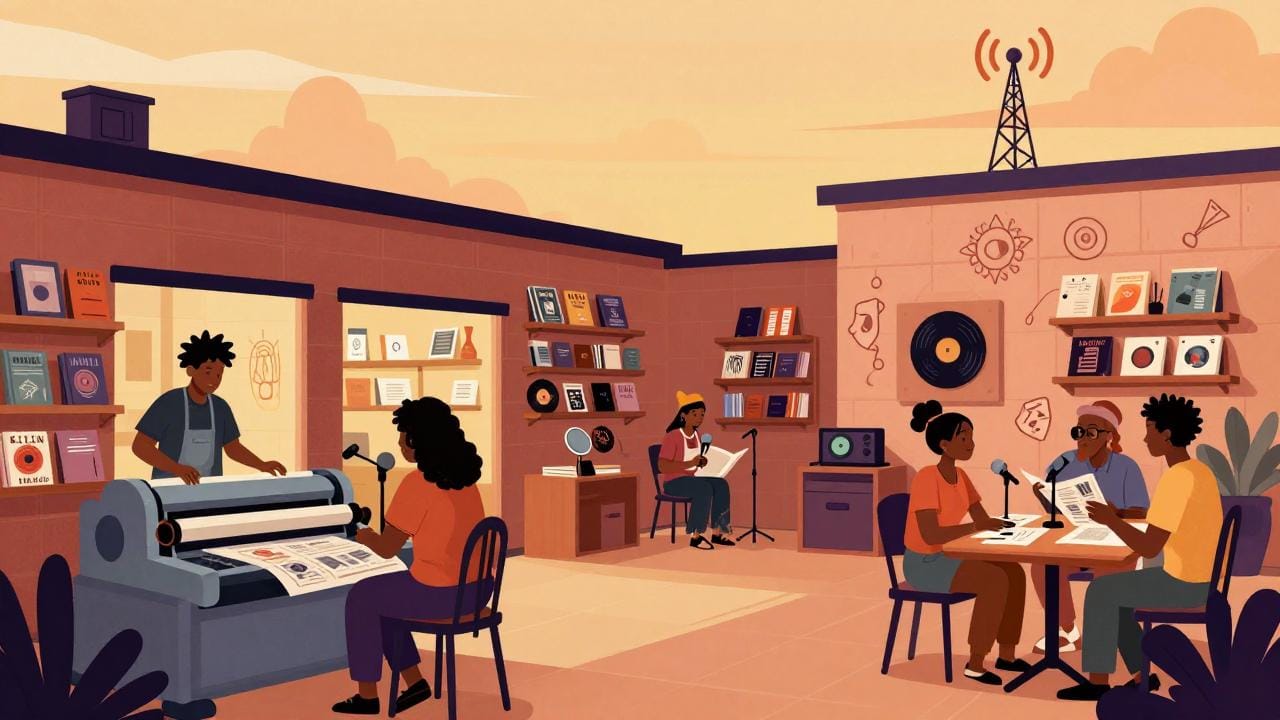
Black-owned media outlets expanded significantly after 2020. The Root, Essence, Blavity, and Colorlines reached wider audiences than ever before. Podcasts led by Black journalists gained traction independently from traditional broadcasting networks. Substack newsletters provide direct subscriber relationships bypassing corporate gatekeepers.
Publishing houses invested in Black voices. One World, Atria Books, and Flatiron launched dedicated imprints. Smaller presses including Haymarket Books, Verso, and AK Press prioritise radical scholarship unavailable through commercial publishers. Literary agents actively seeking manuscripts from emerging Black writers increased recruitment efforts.
Archival projects preserve community memory outside institutional custody. Digital archives collect oral histories, photographs, zines, and ephemera from grassroots movements. Local libraries partner with community organisers to digitise materials threatened by decay or displacement. These efforts ensure future generations access sources not filtered through academic or governmental lenses.
Cultural institutions develop alternative funding models. Community-supported arts organisations reject corporate sponsorship when it compromises independence. Cooperative business structures distribute profits among workers rather than shareholders. Mutual aid networks provide resources outside capitalist market frameworks.
THE SANKOFA QUESTION
If institutions across film, museums, music, education, and digital platforms control representation—and consistently marginalise Black voices while appropriating Black creativity—how can Black communities build cultural sovereignty without depending on extractive systems?
Representation alone cannot overcome structural disempowerment. Films starring Black actors directed by white executives still reproduce industry hierarchies. Museums returning artefacts while retaining copyright control still dictate interpretation terms. Universities offering African American Studies programmes with minimal funding still constrain scholarly independence. True sovereignty requires owning the means of cultural production—not merely appearing within existing frameworks. Three pathways emerge:
First, invest in Black-controlled media infrastructure including publishing houses, streaming services, recording labels, and broadcast networks operating independently from corporate consolidation.
Second, establish community archives and museums funded through cooperative models rather than foundation grants that impose reporting requirements and editorial oversight.
Third, train the next generation of cultural workers in entrepreneurship, legal rights, and intellectual property protection so they retain ownership of their creations rather than signing away rights to intermediaries who profit disproportionately (Smithsonian, 2022; Noble, 2018).
Sankofa reminds us that retrieving the past requires looking backward to move forward. But retrieval alone suffices only if coupled with reconstruction. We cannot wait for institutions historically built against Black flourishing to suddenly embrace equitable treatment. Independence demands building parallel systems answering to community priorities rather than shareholder demands. The question is not whether Black communities possess creativity—they demonstrably do. The question is whether they possess the structural power to protect that creativity from extraction. Sankofa teaches us to look back. Sovereignty requires building forward.
References
Alexander, M. (2020). The new Jim Crow: Mass incarceration in the age of colorblindness (2nd ed.). The New Press.
Brown, M. (2024). Hip hop enters university curricula globally. The Chronicle of Higher Education. https://www.chronicle.com/article/hip-hop-university-curricula
Coates, T.-N. (2015). Between the world and me. Spiegel & Grau.
Fleetwood, N. R. (2020). Marking time: Art in the age of mass incarceration. Harvard University Press.
hooks, b. (1992). Black looks: Race and representation. South End Press.
McIntosh, P. (1989). White privilege and male privilege: A personal account of coming to see correspondences through work in women's studies. Academy for Educational Development.
Nielson, B., & Dennis, J. (2019). Rap on trial: How the legal system weaponizes Black music against Black artists. Soft Skull Press.
Noble, S. U. (2018). Algorithms of oppression: How search engines reinforce racism. NYU Press.
Rankine, C. (2014). Citizen: An American lyric. Graywolf Press.
Sharpe, C. (2016). In the wake: On Blackness and being. Duke University Press.
Smithsonian Institution. (2022). The Benin Bronzes: Provenance and repatriation. https://www.si.edu/newsdesk/releases/smithsonian-returns-29-benin-bronzes-nigeria
Taylor, K.-Y. (2016). From #BlackLivesMatter to Black liberation. Haymarket Books.
UNESCO. (2021). The return of Benin Bronzes to Nigeria: A historic homecoming. https://en.unesco.org/news/return-benin-bronzes-nigeria-historic-homecoming
Wired Staff. (2025). Artists fight back against AI training. Wired. https://www.wired.com/story/artists-fight-back-against-ai-training